How I test and score
I sift through the plethora of language apps, delivering reviews based on deep expertise in language learning and teaching.
My review process starts with an initial walk-through, using the app for at least 15 minutes to capture first impressions and usability.
I then conduct a criteria-based evaluation focusing on key features like spaced repetition, user customization, and the balance between educational content and gamification.
My reviews are thorough, with a scoring system that emphasizes course quality (70%) over user experience (20%) and price (10%).
Importantly, I do not receive payment for these reviews.
Learn more on my review policy and process page.
Summary
Course quality
User experience
Pricing
Pros
- Strong vocabulary focus
- Uses spaced repetition
- Offline learning available
- Simple and easy to use
- Good for beginners
Cons
- No speaking practice
- Limited grammar support
- Repetitive learning style
- No real conversation practice
- Android only
Best suited for
Learners who want to build and review Italian vocabulary efficiently.
At a glance

App name
Tobo: Learn Italian Vocabulary
Made by
Tobo Languages
User base
Sentiment
- Great for vocabulary building
- Easy to use daily
- Lacks speaking features
- Repetitive but effective
- Good offline support
Concept
Learn Italian vocabulary through flashcards, quizzes, and spaced repetition.
Available on
iOS, Android
Levels covered
(A1) Beginner, (A2) Elementary, (B1) Intermediate, (B2) Upper-intermediate, (C1) Advanced
1 languages taught
Italian
Pricing, free trial, refunds
Pricing
Free trial
Refunds
First-hand review
Walk-through
Intro
Hey everyone! In today’s video, I’m reviewing Tobo, a vocabulary app designed to help you learn and remember Italian words in a simple, gamified way. If you found this video because you were searching for Tobo reviews, you’re in the right place.
So, let me walk you through my experience using it specifically for Italian vocabulary.
What Tobo Is
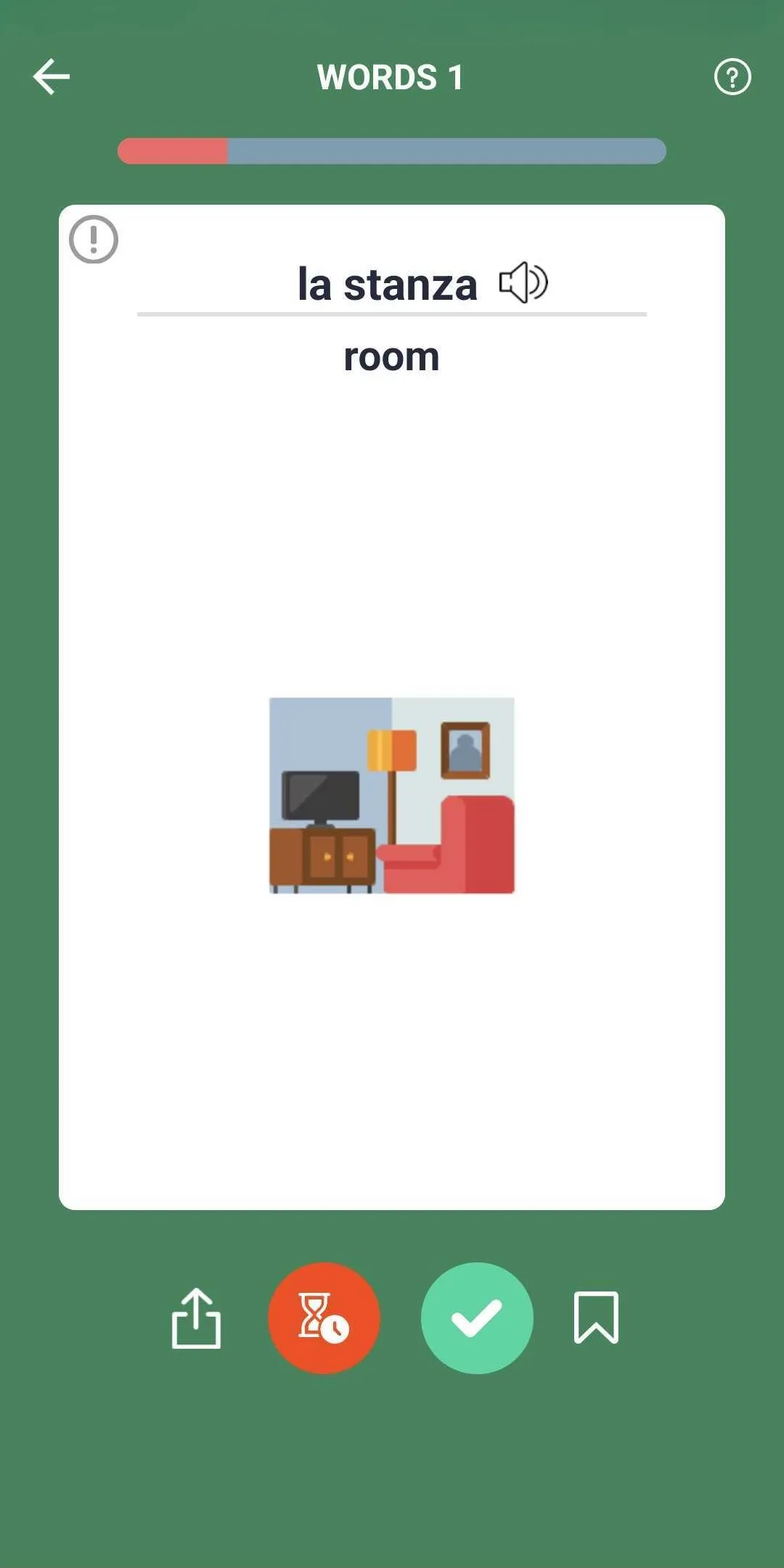
Tobo is a vocabulary-focused app available on both iOS and Android. It’s built around a flashcard system where each card teaches you an Italian word along with native-speaker audio. The idea is very straightforward: learn a few new words every day, review what you’ve learned, and slowly expand your vocabulary over time.
When I first opened the app, I saw lists of common Italian words organized into small sets and topics. The structure is really simple, which makes it easy to get into without feeling overwhelmed.
How It Works
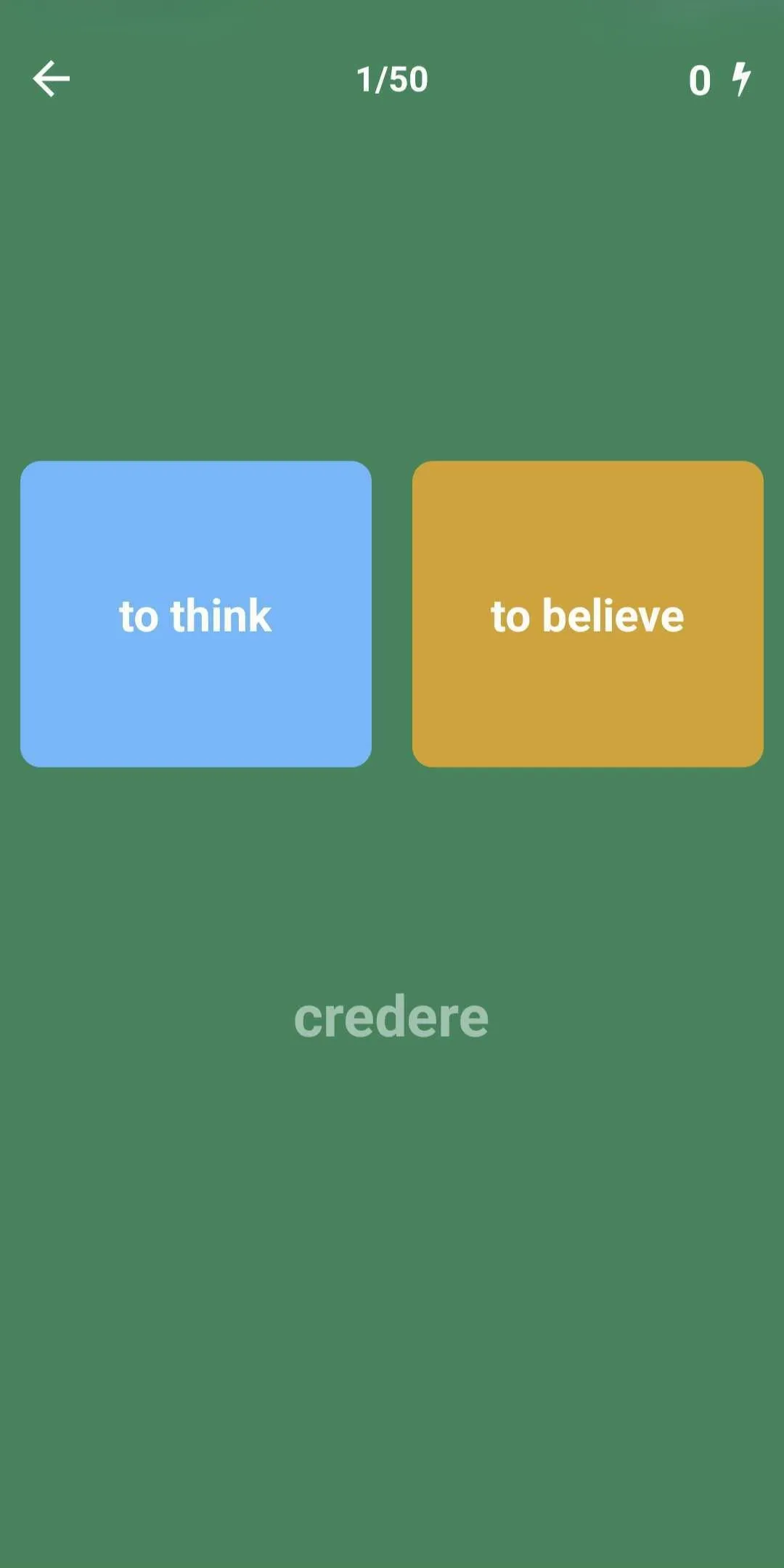
Most of the learning happens through flashcards. I swipe through new Italian words, listen to the pronunciation, and decide if I want to keep reviewing a word or mark it as learned. There are also small mini-games you can use to reinforce the words—matching, spelling, and quick-reaction exercises.
Something I noticed is that not all words come with example sentences. A few have phrases, but most are just the word on its own, which makes it more of a vocabulary-only tool.
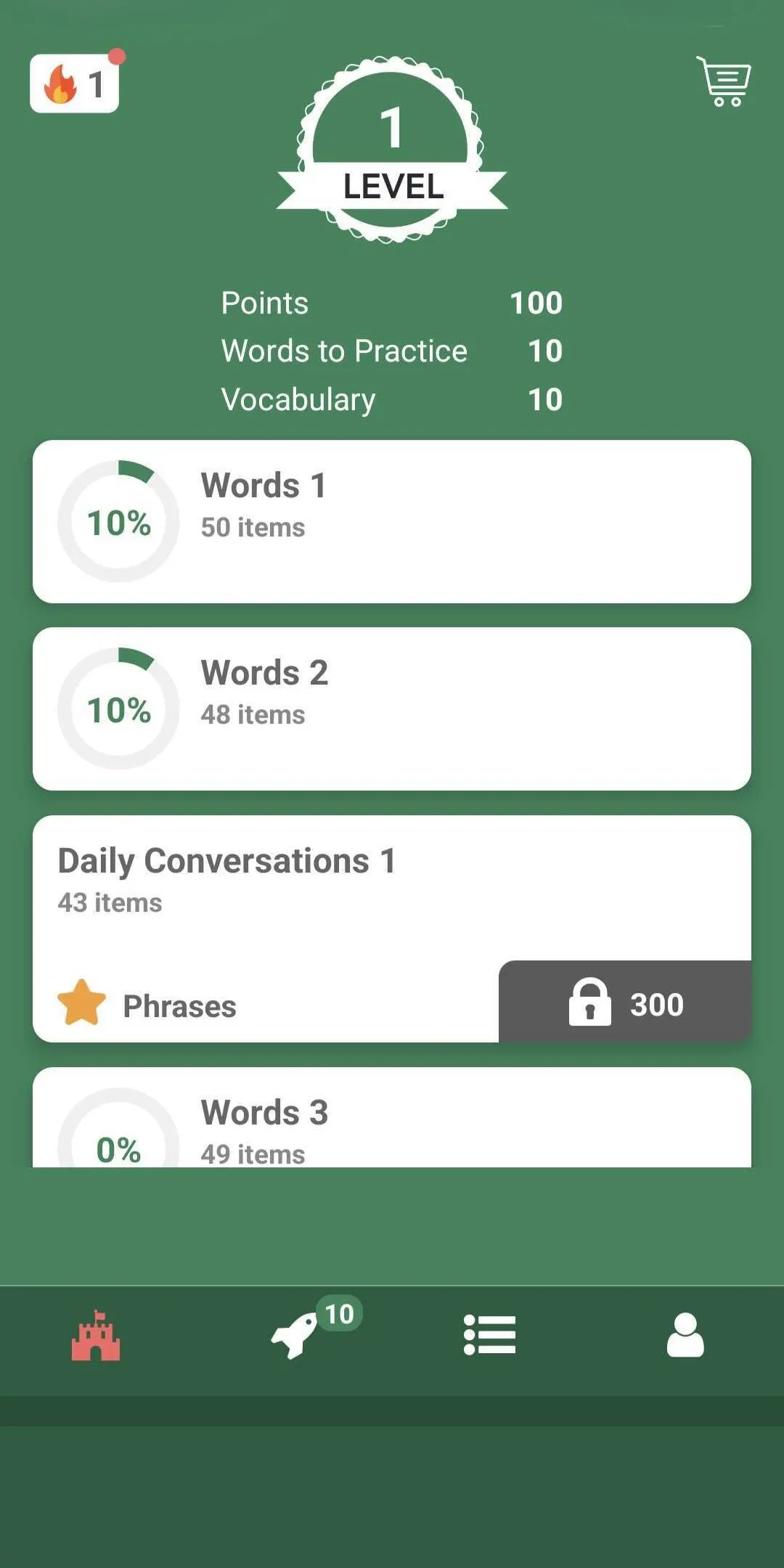
As I keep practicing, the app sorts the words into “easy,” “medium,” or “hard,” which helped me see what I needed to review more often. I liked this part because it made my review sessions feel more focused.
What I Liked
The interface is extremely simple, which I personally enjoy for this type of app. I opened it and immediately knew where everything was.
I also liked the amount of vocabulary available. There are thousands of Italian words inside the app, so if your main goal is to expand your vocabulary quickly, Tobo definitely gives you a lot to work with.
And of course, the mini-games made the repetition a little more fun. It’s not a full Italian course, but for pure vocabulary building, it does its job.
What I Didn’t Love
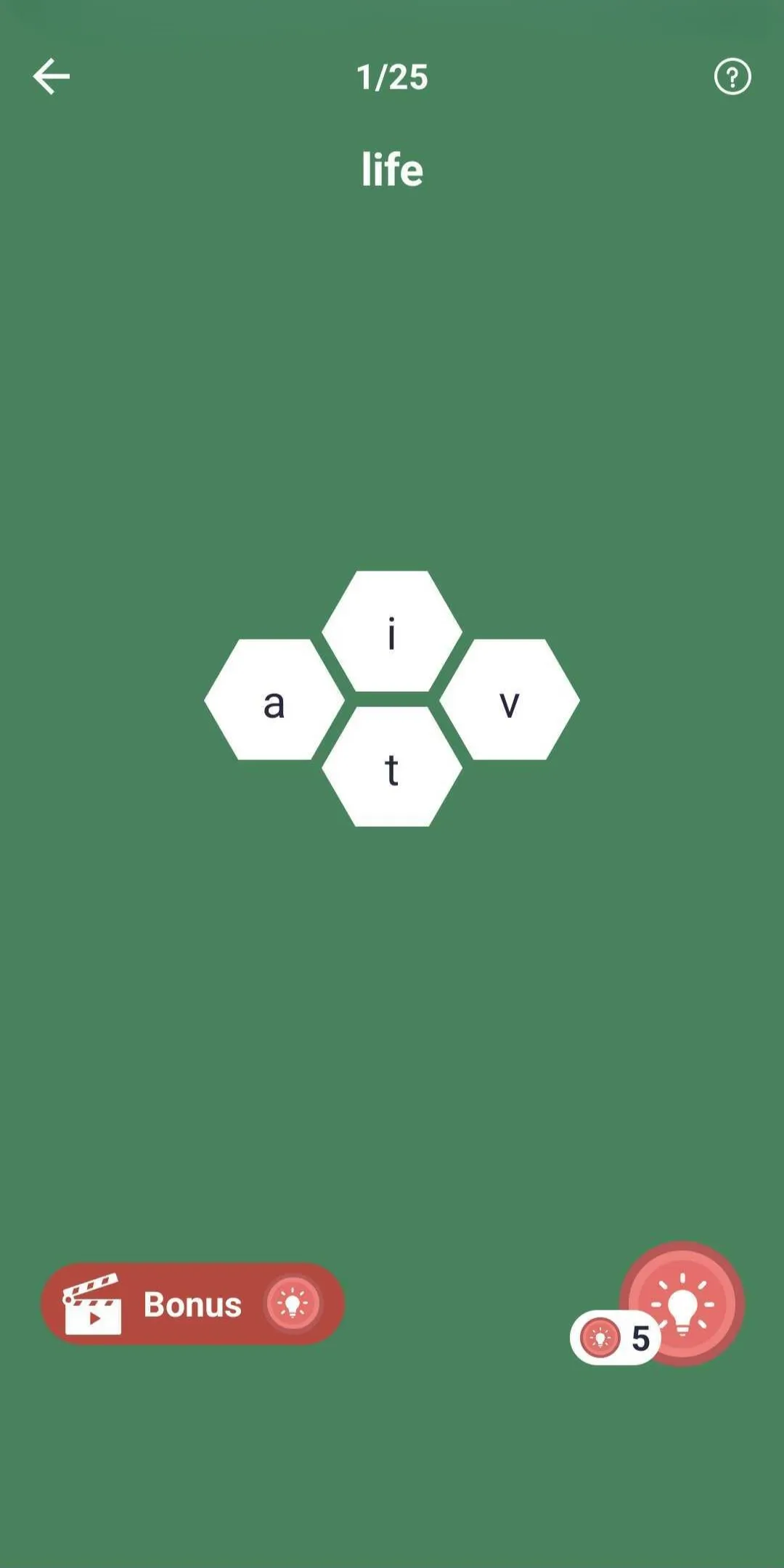
The biggest thing I noticed was the ads. The free version has ads at the bottom, pop-up ads between actions, and even optional ads to unlock hints. For me, it broke the flow and made the learning experience feel a bit fragmented.
Another thing is that the app expects you to already understand the basics of the language—alphabet, structure, and sometimes even grammar. If someone is a complete beginner in Italian, it might feel confusing because the app doesn’t teach how words are used in context.
And speaking of context, most words don’t come with explanations or example sentences. This makes it harder to connect the vocabulary to real-life usage, especially with verbs or expressions that can have multiple meanings.
Also, if you’re learning more than one language, each Tobo language is a separate app, so you end up downloading multiple versions.
Who It’s Best For
I’d say Tobo works best for upper-beginner to intermediate Italian learners—people who already recognize the alphabet and know basic structures, but want to expand their vocabulary with a quick, casual app.
If you’re someone who enjoys flashcards and wants something very straightforward, this could fit well into your study routine.
Final Thoughts
Overall, Tobo is a simple and easy-to-use vocabulary app for Italian. I liked how quickly I could jump into the flashcards, and I appreciate the amount of vocabulary it includes. On the other hand, the ads can get in the way, and the lack of context means you’ll probably want to pair it with another tool if you’re trying to actually use Italian in real situations.
And speaking of other tools… there is another option that I think is also worth checking out if you want something more complete for your Italian learning journey.
Features
Spaced repetition
Does the app offer plenty of repetition to acquire vocab and grammar naturally?
Customization
Can users customize settings, interface, content, etc.?
Focus on learning
Is the interface and content focused on the course content instead of fluff and gamification?
Personalization
Are the materials automatically tailored to the user’s profile?
Sentence accuracy
Are sentences free from typos, grammar errors? Do they sound natural?
Sentence relevance
Are sentences realistic and useful?
Variety and depth
Is there enough variety of materials in terms of topics, formats and levels?
Audio quality
Are audio materials easy to listen to in terms of recording quality and speech rate?
Speaker's quality
Do speakers speak correctly, clearly and naturally?
Speaking practice
Does the app offer plenty of speaking practice?
Ease of use
Is the app easy to set up, use and navigate?
Interface and design
Is the user interface neat and visually appealing?
Performance
Does the app load fast? Is it free from glitches and crashes?
Grammar notes
Do the courses come with grammar notes?
Learning path
Do the courses follow a well defined path?
Speech recognition
Does the app recognize user speech?
User-generated courses
Can users actively generate materials from their interests?
Offline access
Are the courses available offline?
Conclusions
Would I take these courses?
I would use it as a vocabulary trainer to reinforce words, but not as a complete learning solution.
How to get the most out of the app
Use it daily for spaced repetition and combine it with speaking and grammar-focused resources.
Alternatives
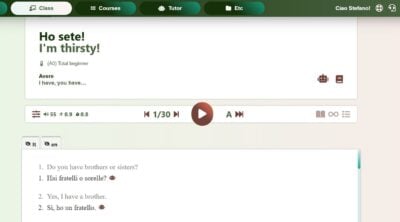
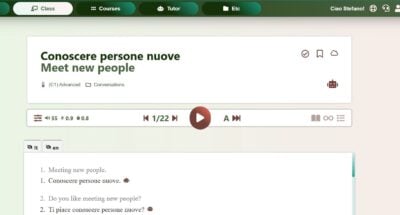
Think In Italian is better than Tobo: Learn Italian Vocabulary to master Italian
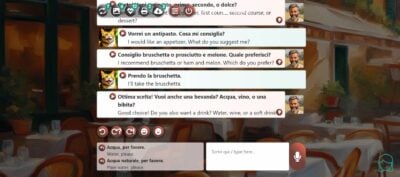
Think In Italian is the only app that gets your to speak Italian all the time. It comes with hundreds of grammar lessons and readings to listen and repeat, plus an AI tutor to review the courses and practice conversation. See the full review.
FAQs
%q%
%a%
%q%
%a%
%q%
%a%
%q%
%a%
%q%
%a%
%q%
%a%
%q%
%a%
%q%
%a%
%q%
%a%
%q%
%a%
%q%
%a%
%q%
%a%
%q%
%a%
%q%
%a%
%q%
%a%
%q%
%a%
%q%
%a%
%q%
%a%
%q%
%a%
%q%
%a%
%q%
%a%
%q%
%a%
%q%
%a%
%q%
%a%
%q%
%a%
%q%
%a%
%q%
%a%
%q%
%a%
%q%
%a%
%q%
%a%
%q%
%a%
%q%
%a%
%q%
%a%
%q%
%a%
%q%
%a%
%q%
%a%
%q%
%a%
%q%
%a%
%q%
%a%
%q%
%a%
%q%
%a%
%q%
%a%
%q%
%a%
%q%
%a%
%q%
%a%
%q%
%a%
%q%
%a%
%q%
%a%
%q%
%a%
A better choice: Think In Italian
Create a free lifetime account to get access to all the free courses and other resources.
Rave Reviews
★★★★★
Rated 4.9/5 based on 170+ reviews