
At a glance

App name
Lingolooper
Made by
Not clearly specified (independent developer / small team)
First-hand review
Intro
If you’re looking for a way to practice speaking Italian, especially if you feel stuck or a bit nervous about talking out loud, this video is for you.
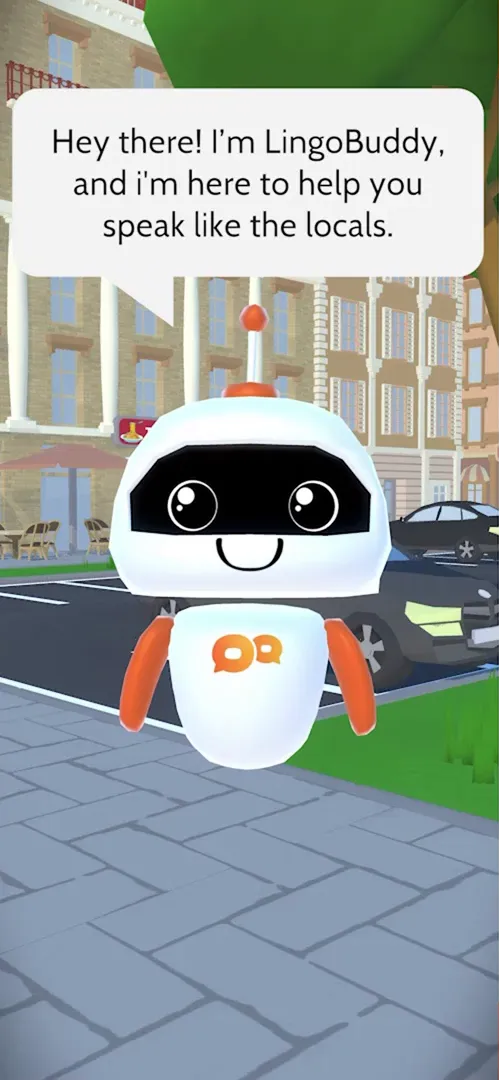
Today I’m reviewing Lingolooper, an AI-powered language learning app designed to help you practice real-life conversations through immersive scenarios.
Lingolooper positions itself as a conversation-first app. Instead of starting with grammar rules or long vocabulary lists, the idea is to get you speaking Italian from the beginning, using voice-based interactions with AI avatars inside a virtual environment.
What Lingolooper Is and What It Focuses On
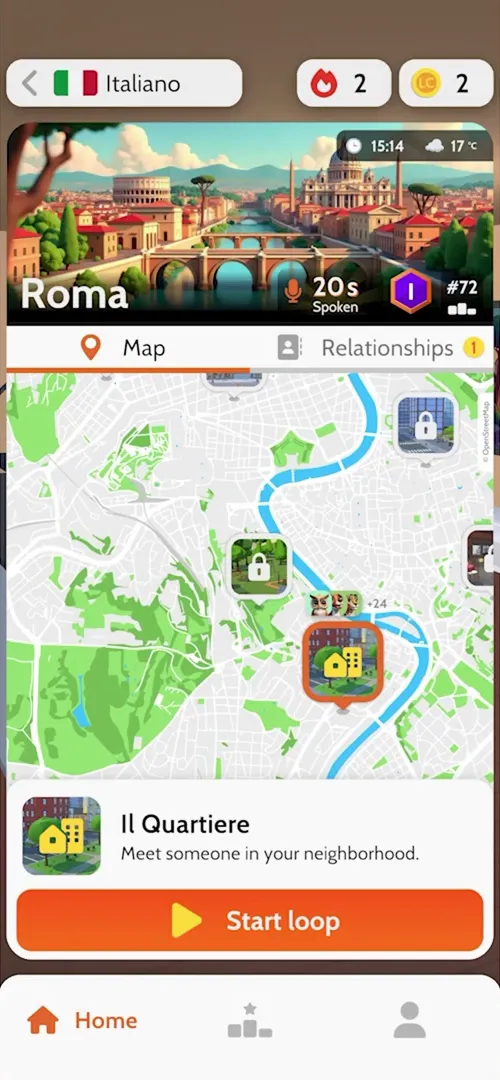
Lingolooper is a mobile app available on iOS and Android, and while it supports multiple languages, I used it mainly to practice spoken Italian.
When I opened the app, what stood out immediately is that it’s built around simulated conversations, not traditional lessons.
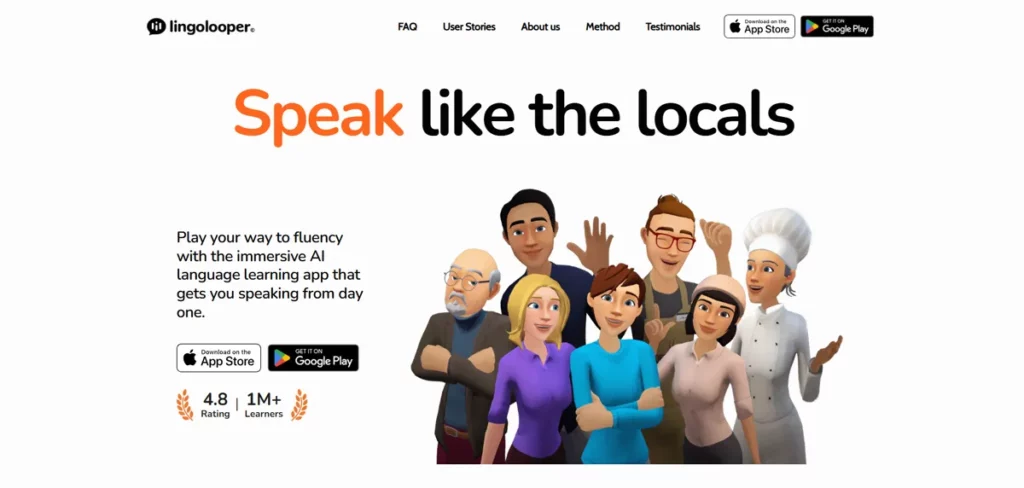
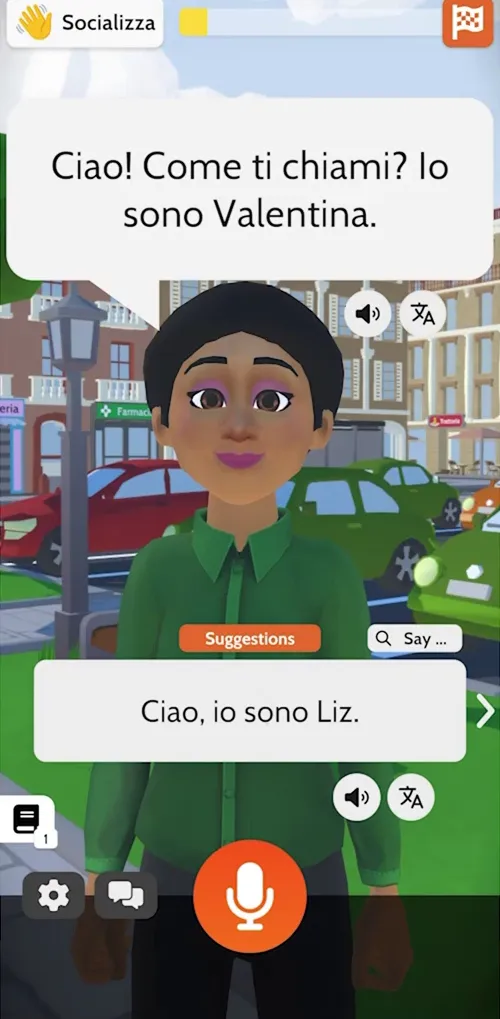
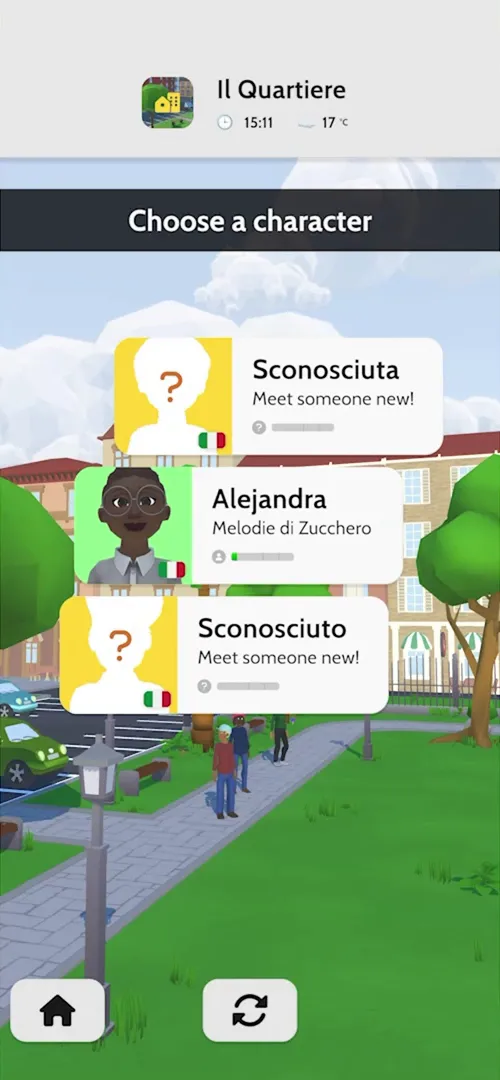
You interact with AI characters in everyday scenarios — things like ordering coffee, making small talk, or navigating common travel situations in Italian. The app is voice-first, so instead of typing most of the time, I’m actually speaking and responding out loud.
This approach is clearly aimed at helping learners build confidence and reduce the fear of speaking, which is something many Italian learners struggle with.
How Lingolooper Works
Using Lingolooper is pretty straightforward.
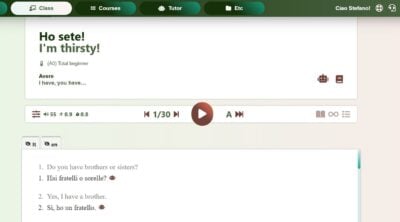
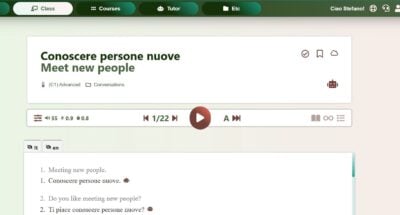
After selecting Italian as the target language, I’m dropped into different conversational scenarios. Each one places me in a virtual setting with an AI avatar that talks to me in Italian.
I respond using my voice, and the AI reacts in real time. The conversations feel guided but still open-ended enough to practice forming my own responses. After each interaction, I can see feedback related to pronunciation, phrasing, and sometimes grammar.
What I personally liked is that the app keeps a record of my progress. I can see which areas I struggle with more, and over time it becomes easier to notice patterns in my mistakes.
Learning Experience and Use Cases
Lingolooper feels especially useful for practical Italian, not academic Italian.
I can see it being helpful if you’re preparing for a trip to Italy, or if your goal is to feel more comfortable having basic conversations with native speakers.
It’s also a good option if you experience language anxiety. Since I’m talking to an AI and not a real person, there’s less pressure, and it feels easier to experiment, make mistakes, and keep going.
That said, this app feels more like a speaking practice tool than a complete Italian course. I’m practicing conversation and pronunciation, but I’m not getting deep explanations of grammar rules or structured lessons.
Pros of Using Lingolooper for Italian
On the positive side, Lingolooper offers a very interactive and immersive experience. Speaking Italian in realistic situations makes practice feel more natural and less repetitive.
The AI conversations help build confidence, especially if you’re not ready to speak with real people yet. I also found the immediate feedback helpful, since it allows me to notice pronunciation issues right away instead of much later.
The gamified setup and short conversation loops make it easy to practice in small sessions, which works well if you don’t have a lot of time.
Cons and Limitations to Be Aware Of
On the other hand, the experience isn’t perfect.
The 3D graphics are fairly simple, and depending on the device or connection, the app can feel a bit unstable at times and I noticed that the quality of the conversation can vary.
Another limitation is that advanced Italian grammar isn’t really explained in depth. If you’re looking for detailed rule breakdowns, you’d probably need another resource alongside this app.
There are also subscription limits. Lingolooper can be downloaded for free, but access to conversations and features is restricted unless you upgrade. You’re likely to hit those limits fairly early, so it’s something to keep in mind if you plan to use it regularly.
Final Thoughts
Overall, Lingolooper offers an interesting approach to practicing spoken Italian, especially if your main goal is to get comfortable speaking and reacting in real-life situations. It works best as a practice tool rather than a complete learning system, and it’s clearly designed for learners who want to talk more and hesitate less.